Thinking about adding a room, pool, or new driveway in Conroe? One of the easiest ways to slow your project is to overlook the trees in your yard. Conroe uses tree‑preservation standards to protect the canopy and neighborhood character, and those rules can affect permits, timelines, and what you can remove or build.
You want your project to move forward without last‑minute surprises, fines, or costly redesigns. In this guide, you’ll learn when tree rules apply, what a tree survey and protection plan include, how inspections work, and a practical step‑by‑step checklist to stay on schedule.
Let’s dive in.
Why tree rules matter in Conroe
Tree‑preservation standards exist to protect significant trees, reduce erosion, and maintain neighborhood character and property values. These rules are not just for new subdivisions. You can encounter them with additions, accessory structures like pools or sheds, and driveway expansions.
If you ignore the rules, you risk fines, stop‑work orders, and delays at final inspection. Getting clear on the process early helps you design around high‑value trees, avoid penalties, and keep your project moving.
When tree rules apply to remodels
Expect the rules to come into play when your plans include any of the following:
- Removing or disturbing a tree above a defined size.
- Working within a tree protection zone around a protected tree.
- Reducing existing canopy coverage below a required percentage.
- Adding new impervious surface, like a driveway or patio, that encroaches on a tree’s root zone.
If your project touches any of these, plan for a tree survey and protection plan as part of your permit package.
Protected trees, heritage trees, and CRZ basics
What is a protected tree?
Most cities define protected trees by minimum trunk size and sometimes by species. Invasive species are typically excluded. If a tree meets the protected definition, removal or heavy disturbance usually requires approval and mitigation.
What is a heritage or specimen tree?
Some trees receive higher protection because of size, age, or community value. Removing a heritage or specimen tree often triggers stricter review and higher replacement requirements. Plan early if one of these trees is near your project footprint.
What is a Critical Root Zone (CRZ)?
The CRZ is the zone around a tree that contains the most vital roots. Construction activity in this area, like excavation, trenching for utilities, or heavy equipment traffic, can harm or kill a tree. Conroe’s rules are likely to require protective fencing and limits on grading, compaction, and storage within these zones.
Common mitigation methods include permeable pavements, rerouting improvements, using trenchless utility installation, temporary root bridging, and arborist‑supervised root pruning.
Plan your addition, pool, or driveway
Pre‑design call with the City
Before you spend on final drawings, contact the City of Conroe Planning & Development or Building Permits team. A short pre‑application conversation helps you confirm current triggers, submittal checklists, and fees. Ask if your property is in an overlay district or has site‑specific tree protections.
Order a tree survey and arborist assessment
Most projects benefit from a survey that maps each protected tree’s location, species, and size. You may also need an ISA‑certified arborist to assess tree condition, identify heritage/specimen trees, and recommend protection measures. Municipal review often starts with these documents, so ordering them early saves time.
Adjust your design around trees
Use the survey to position your addition, pool, or driveway outside the CRZs of high‑value trees. If you need to build nearby, consider:
- Smaller or shifted footprints for additions.
- Pool designs that avoid deep excavation near large trees.
- Permeable pavers for driveway extensions.
- Trenchless utilities to avoid root cutting.
- Arborist‑supervised root pruning if minimal encroachment is unavoidable.
Thoughtful design reduces mitigation costs and speeds up permitting.
Build a complete permit package
A clean submittal helps avoid resubmittals and delays. Your package will typically include:
- Site plan with the tree survey and each CRZ drawn to scale.
- A Tree Protection Plan showing fencing, signage, equipment access routes, material staging areas, and erosion control.
- Identification of trees to remove or retain, plus your proposed mitigation.
- Replacement plan with species and planting locations, or a request for payment‑in‑lieu if on‑site planting is not feasible and the city allows it.
- Arborist recommendations for any root work or monitoring.
Confirm the current checklist with city staff before you submit.
Construction protections and inspections
Expect the city to verify that protections are in place before work begins. Typical requirements include:
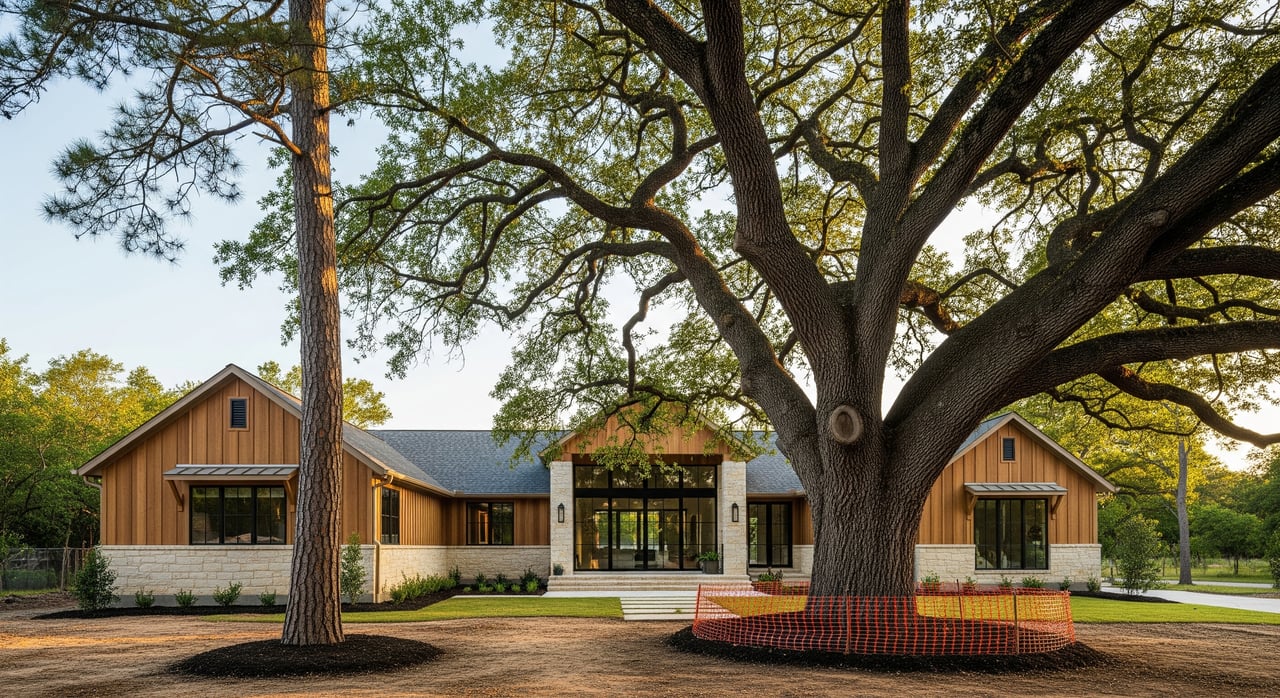
- Temporary fencing around tree protection zones before any equipment arrives.
- Clear signage that crews can see and follow.
- No material storage, parking, or grade changes inside fenced areas.
- Erosion‑control measures that keep roots and soil stable.
Inspections may occur before construction, during work near protected trees, and at the end of the project. Some cities also require bonds or escrow to guarantee compliance and replacement. Plan for these checkpoints so scheduling does not slip.
Mitigation and replacement options
When removal is approved, mitigation is usually calculated by trunk size or canopy area. You may be required to plant replacement trees on site, plant off site, or pay a fee in lieu if planting is not practical. Heritage or specimen tree removals can carry higher replacement ratios.
Ask the city which species and sizes are acceptable, where replacements can go, and how long you are responsible for maintenance. If you plan to sell soon after the project, coordinate timelines so new plantings are established and present well.
Common pitfalls that delay projects
Avoid these frequent trouble spots:
- Starting demolition or grading before a tree survey is complete and approved.
- Staking a pool or addition inside a CRZ without mitigation.
- Letting crews store pallets, soil, or dumpsters inside protection fencing.
- Cutting a utility trench through a root zone instead of using trenchless methods.
- Over‑pruning roots without an arborist’s guidance.
- Missing interim inspections or removing fencing too soon.
- Forgetting to budget for mitigation or replacement planting.
- Submitting incomplete plans that lack access routes, staging areas, or mitigation details.
A short pre‑application review and a detailed Tree Protection Plan can prevent most of these issues.
Timeline and budget planning
Plan for several weeks to assemble a survey, arborist report, and a complete Tree Protection Plan. Municipal review times vary. Depending on complexity and revisions, review can take a few weeks to several months. Build that range into your schedule, especially if you need approvals before pool excavation or foundation work.
Budget for potential mitigation fees, fencing, and replacement plantings. Designing around a few high‑value trees can save time and money compared to removal and replacement.
Documentation to keep from day one
Good records protect you if questions come up later and speed final approvals. Keep:
- The arborist’s report and recommendations.
- Pre‑construction photos of fenced CRZs and site conditions.
- Inspection sign‑offs and any field adjustments approved by staff.
- Receipts and photos for replacement trees, plus any maintenance agreements.
Store everything with your permit set so buyers and appraisers can see a complete paper trail.
Step‑by‑step checklist for homeowners
Use this quick checklist to keep your Conroe remodel on track:
- Pre‑design
- Call the City of Conroe Planning & Development or Building Permits office to confirm current triggers, submittal requirements, and whether your property has any special overlays.
- Survey and assessment
- Order a tree survey for all protected‑size trees. Ask if an ISA‑certified arborist report is required and schedule it.
- Design adjustments
- Shift additions, pools, and driveways to avoid CRZs where possible. Consider permeable paving, trenchless utilities, and root‑sensitive construction methods.
- Prepare the submittal
- Include the site plan, tree survey, CRZ fencing locations, access routes, staging areas, mitigation plan, and arborist recommendations.
- Permitting and bonds
- Submit the application, pay required fees, and provide any bonds or deposits requested by the city.
- On‑site protections
- Install fencing and signage before equipment arrives. Keep storage and parking out of protected zones.
- Inspections and closeout
- Schedule pre‑construction verification, interim checks if working near trees, and a final inspection. Document replacement planting and maintenance as required.
How The Abbott Homes Group can help
As a boutique team rooted in The Woodlands and Conroe, we pair negotiation skill with construction‑savvy guidance. You get:
- Practical, renovation‑aware advice that aligns design choices with likely city requirements.
- Local insight on how tree rules affect timing for additions, pools, and driveways.
- Referrals to qualified pros, including licensed surveyors and ISA‑certified arborists.
- A clear plan for listing or buying around your construction timeline, so you protect value and avoid rushed decisions.
If you are remodeling with an eye toward selling or refinancing, we help you budget smartly, plan the schedule, and present the finished home in its best light.
Ready to talk through your project and next steps? Connect with The Abbott Homes Group for a quick game plan that fits your goals.
FAQs
Do I need a permit to remove a tree before remodeling in Conroe?
- If a tree meets the city’s protected or heritage definition, removal or disturbance often requires approval, and emergency removals usually require an arborist’s report and notification to the city.
Will a small driveway extension trigger mitigation in Conroe?
- If the extension encroaches on a protected tree’s root zone, the city may require mitigation, so verify the limits and construction methods before you finalize plans.
Who can prepare the tree survey and arborist report in Conroe?
- Many cities require a licensed surveyor to map tree locations and an ISA‑certified arborist to evaluate health and protection methods, so confirm the professional qualifications with the city.
Can I pay a fee instead of planting replacement trees on site?
- Some jurisdictions allow payment in lieu when on‑site planting is not feasible, so ask Conroe staff about current options and the applicable fee schedule.
What if a tree is diseased or hazardous on my property in Conroe?
- Ordinances typically allow removal of hazardous or diseased trees with an arborist’s report and city notification or approval, so document the condition and follow the specified process.
How long does tree plan review take in Conroe?
- Review times vary, but plan for a few weeks to several months depending on project complexity and whether revisions are needed; start early to keep your schedule on track.