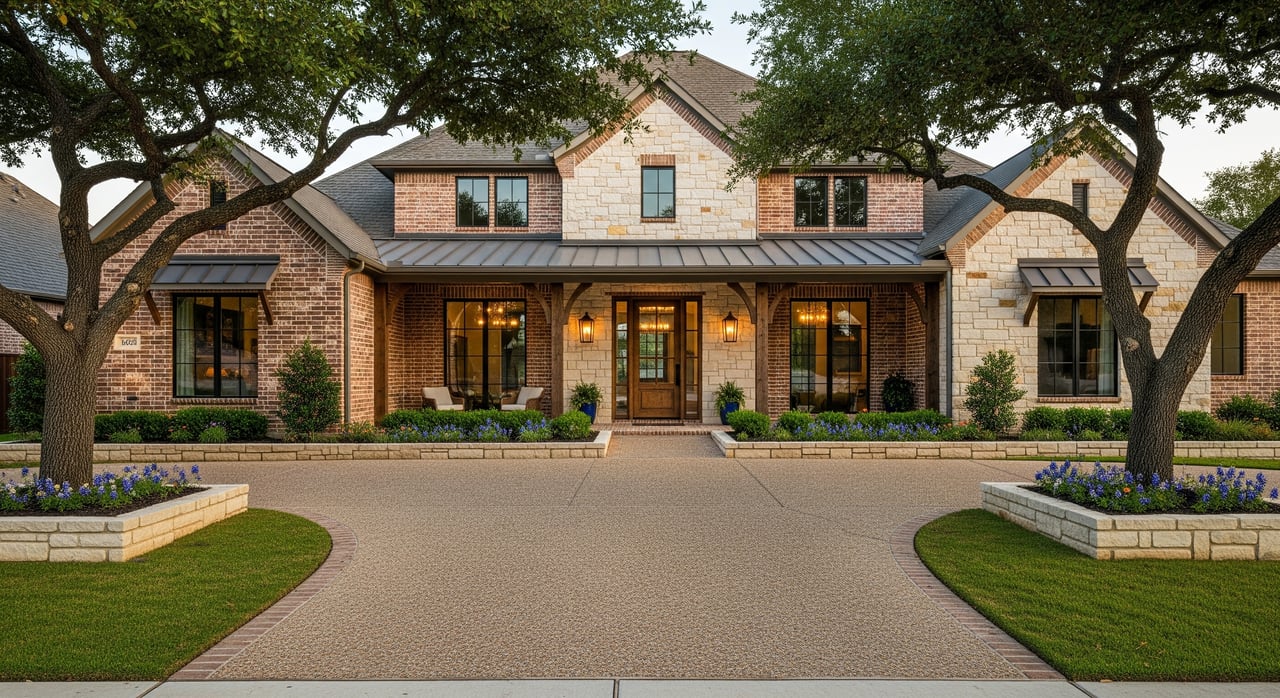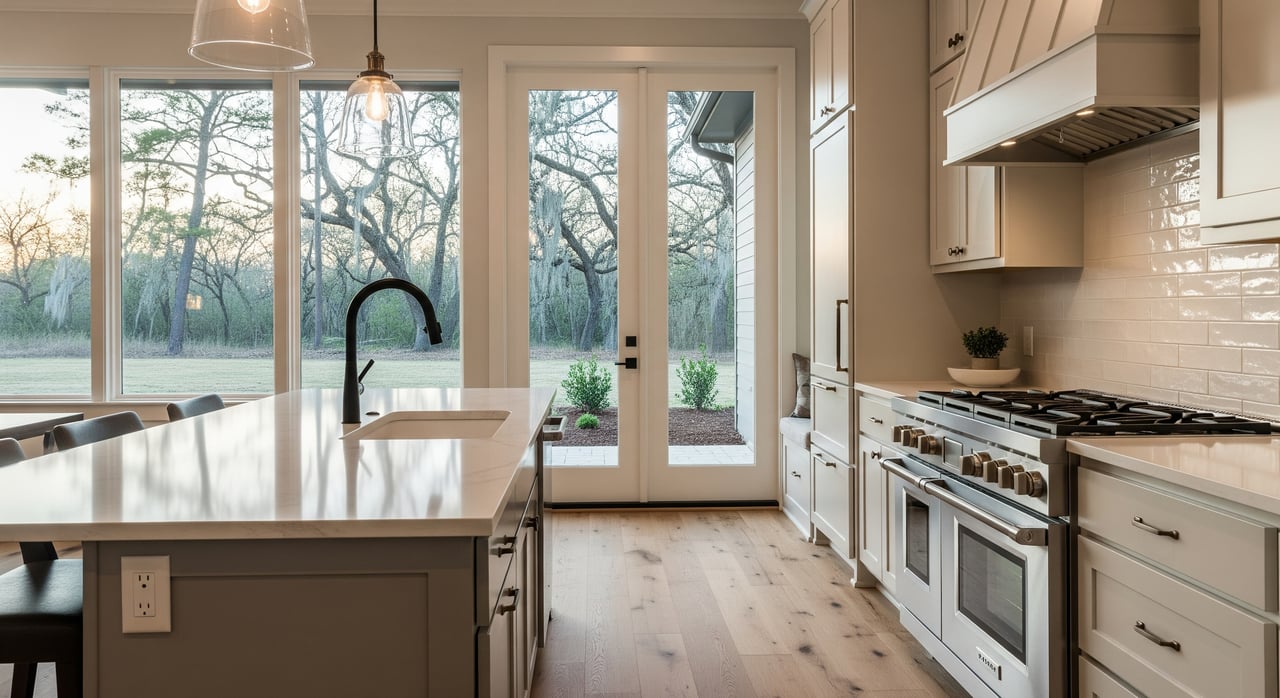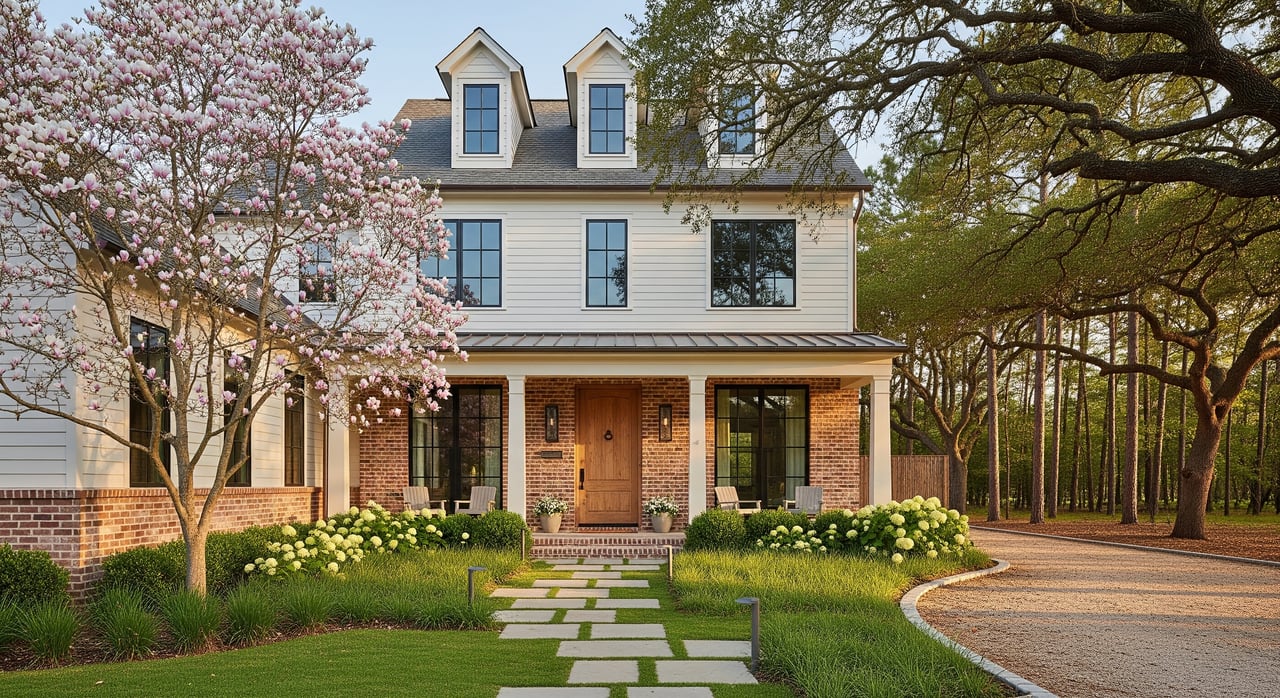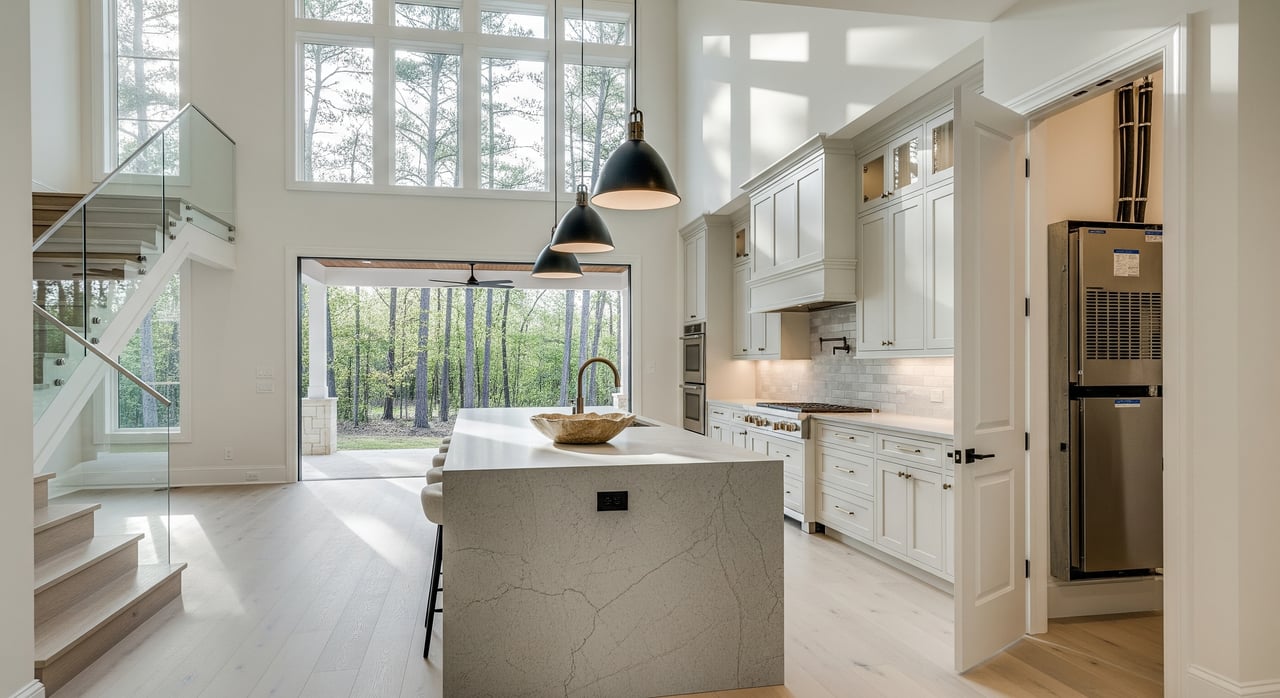
You are almost at the finish line. Your new home in The Woodlands is nearly complete, and the final walkthrough is your chance to make sure it is built as promised and ready for closing. With township design rules, county permits, and lots of moving parts, details can slip through. This guide gives you a clear, local checklist so you can walk your new build with confidence, finalize your punch list, and protect your warranty. Let’s dive in.
Get ready before the walkthrough
Start by gathering the right documents and setting clear expectations for the visit.
Builder documents to have in hand:
- Final house plans and any approved change orders.
- Warranty package that explains cosmetic, systems, and structural coverage.
- Appliance manuals or model and serial numbers.
- Certificate of Occupancy, final inspection sign-offs, and permit records.
- Termite pre-treatment documentation and active termite warranty or contract.
- The builder’s punch-list procedure and repair timelines.
Records to request:
- Recent inspection reports for electrical, plumbing, framing, and final.
- HVAC startup and commissioning records, plus gas appliance test reports if applicable.
- Survey, lot grading plan, and notes on drainage easements or commitments.
Local checks specific to The Woodlands:
- Confirm the home has passed Montgomery County permitting and inspections and that the Certificate of Occupancy is issued before closing.
- Verify any exterior materials and finishes comply with The Woodlands Township covenants and architectural review approvals tied to your lot. Get copies of ARC approvals.
- Review flood risk. Check your property’s FEMA flood zone, and request an elevation certificate or builder survey if you have concerns. Confirm who is responsible for addressing standing water.
Practical prep for the day:
- Schedule during daylight and plan to attend the systems orientation with the builder rep.
- Bring a flashlight, notepad or phone for photos and video, tape measure, and this checklist.
- If using an independent inspector, schedule a new-construction final inspection around the walkthrough.
Exterior and site checklist
Walk the lot first. Drainage and exterior details are critical in our climate.
Lot and grading
- Soil slopes away from the foundation on all sides.
- Swales and drainage paths match the plan and are not blocked.
- No standing water near the foundation after rain.
Foundation and structure
- Note any cracks. Hairline cracks are common, but larger or stair-step cracks should be documented.
- Expansion joints and slab edges are sealed where required.
Siding, masonry, and finishes
- Paint or stain is even with no runs, blistering, or thin spots.
- Brick or stone has consistent mortar joints. No large chips or mismatched pieces.
- Flashing is visible and properly installed at transitions.
Roof, gutters, and flashing
- Shingles appear evenly aligned and well fastened.
- Flashing is tight around chimneys, vents, and wall intersections.
- Gutters are secure and downspouts direct water away from the foundation.
Windows and exterior doors
- Open and close smoothly. Locks work and weatherstripping is intact.
- No fogging between glass panes, which can signal a failed seal.
- Thresholds and penetrations are properly caulked.
Driveway, sidewalks, and patios
- Surfaces are even with proper slope away from the house.
- No major cracks or trip hazards at control joints.
Exterior lighting, outlets, and hose bibs
- Test all lights and exterior outlets. GFCI protection is present where required.
- Hose bibs operate and are properly secured.
Interior finishes checklist
Look for consistency, alignment, and clean installation.
Floors, stairs, and trim
- Floor transitions are smooth and even.
- Baseboards are tight with consistent caulk lines and paint color.
- Stairs are solid, railings are secure, and baluster spacing is consistent.
Walls and ceilings
- Paint coverage is even with straight lines at corners and trim.
- No visible drywall seams, nail pops, or gaps around recessed lights.
Windows and interior doors
- Operate every unit. Latches and locks should engage easily.
- Weatherstripping is intact on exterior doors. Interior doors are aligned and do not rub.
Cabinets, counters, and hardware
- Doors and drawers open fully and close smoothly. Faces align evenly.
- Countertops are level and sealed at backsplashes.
- Hardware is tight and finishes match the selections.
Closets and storage
- Shelving is installed per plan and properly supported.
- Any required ventilation is present where specified.
Garage
- Test the door opener and safety sensors. The door reverses when obstructed.
- Check weatherstripping, exterior access keypad, and the service door.
Systems and appliances checklist
Verify operation now instead of calling for warranty service later.
HVAC
- System starts and cools or heats on command. Thermostat responds and displays accurately.
- Airflow is present at all registers. Return locations match the plan.
- Refrigerant lines are insulated. Condensate drain is sloped and routed properly.
- Filters are installed and accessible. Ask for SEER rating and manuals.
Plumbing
- Good water pressure at all fixtures. Hot and cold are correctly oriented.
- Check under every sink for leaks and verify P-traps are installed.
- Water heater is properly installed with the T&P discharge routed correctly.
- Showers and tubs are caulked and drain well. Toilets are secure with no wobble.
Electrical
- Test every switch and outlet. Confirm labeled breakers at the panel.
- GFCI and AFCI protection is present where required.
- Test smoke and carbon monoxide detectors. Verify batteries and hardwire connections.
Appliances
- Run a cycle for the dishwasher. Test oven, cooktop, and range hood.
- Confirm the dryer vent routes outside and the connection is secure.
- If gas is present, ask for gas test results.
Attic and insulation
- Access the attic if safe. Insulation depth is uniform and covers the entire area.
- Ducts are connected and supported. Attic ventilation is clear.
- The attic hatch is insulated and air sealed.
Safety and code-related items
These items protect your home and your family.
- Smoke and CO detectors installed and operational in required locations.
- Handrails and guardrails are secure with correct height and spacing.
- Bedrooms have egress windows that open to required sizes.
- Visible firestopping and fireblocking where accessible.
- Main shutoff valves for water, gas, and HVAC are present and labeled.
Landscaping, irrigation, and exterior features
A complete yard helps manage drainage and limits early maintenance calls.
- Sod and grading direct water away from the house. No low spots at the foundation.
- Irrigation system runs through all zones without broken heads. Coverage is even.
- Backflow prevention device is installed per local code.
- Fencing is consistent in height and alignment. Gates operate smoothly.
- For pools or spas, confirm safety barriers, equipment operation, and warranty documents.
Consider a pre-drywall inspection
If you can, schedule an independent pre-drywall inspection before insulation and drywall are installed. Inspectors can review framing, electrical, plumbing rough-ins, HVAC duct routing, and insulation. This is often the most cost-effective time to catch concealed issues, and it makes the final walkthrough smoother.
Create and manage your punch list
A clear punch list speeds up repairs and reduces confusion.
- Document each item with a photo or short video and a brief description.
- Include the room, exact location, and the date you found it.
- Prioritize repairs: safety and structural items first, then mechanical and plumbing, then cosmetics.
- Deliver the list through the builder’s required channel and keep everything in writing.
- Request estimated timelines for each item and a follow-up visit to verify completion.
- After repairs, re-inspect and note the date and outcome.
Warranties and timelines to track
Know what is covered and when coverage begins.
Typical new-home warranty structure
- Workmanship and cosmetic items often have about 1 year of coverage.
- Systems, like HVAC and plumbing, commonly have 1 to 2 years.
- Structural coverage typically extends for several years. Terms vary by builder.
Start date and documents
- Confirm when your warranty periods start. This is commonly at closing or the Certificate of Occupancy date.
- Keep all warranty documents, model and serial numbers, and proof of maintenance.
Claims and escalation
- Review the builder’s warranty claim process and escalation path.
- If issues persist, you can explore mediation or other consumer protection channels in Texas.
Local resources to consult
These organizations provide useful guidance for The Woodlands area:
- The Woodlands Township for covenants, design reviews, and drainage guidance.
- Montgomery County permitting and inspections to verify permits and CO status.
- FEMA Flood Map Service Center for flood zone information.
- American Society of Home Inspectors for inspection best practices and inspector lists.
- National Association of Home Builders for consumer guidance on new homes.
- Texas consumer protection resources for construction disputes and warranties.
Typical buyer timeline
Use this checklist to organize your steps from framing to move-in.
- Pre-drywall: If possible, schedule an independent pre-drywall inspection.
- Pre-final: Request permit and inspection documentation. Confirm the Certificate of Occupancy is issued before closing.
- Final walkthrough: Test every system and finish. Build your punch list with photos.
- Post-closing: Track repairs and warranty deadlines. Register appliances and warranty cards.
- 30 to 60 days after closing: Re-check repaired items and document any new issues.
How Abbott Homes supports your walkthrough
You should feel confident from framing to closing. With negotiation expertise on financing and a construction-informed eye on condition, our small team helps you review documents, prepare an effective walkthrough plan, and create a punch list that gets results. We are local to The Woodlands and familiar with township guidelines, county permitting, and the common issues that show up in new builds here.
If you are building or buying a new home in The Woodlands, we can help you navigate builder communications, inspection timing, and warranty follow-through while keeping your closing on track. When you are ready, reach out to Abbott Homes for local guidance and a smooth, well-documented finish to your build.
Ready to talk through your plan or need a walkthrough checklist you can print? Connect with Abbott Homes for local, hands-on support.
FAQs
What is a final walkthrough for a new build in The Woodlands?
- It is your on-site review with the builder before closing to verify work matches the plans, systems function properly, and any defects are documented on a punch list.
Which documents should I get before my walkthrough?
- Ask for final plans, change orders, permit and inspection records, Certificate of Occupancy, warranty package, HVAC commissioning records, appliance info, and termite treatment documentation.
How do The Woodlands Township rules affect my new home?
- Exterior finishes and certain site changes can be subject to covenants and architectural review, so confirm your home’s exterior selections and any approvals tied to the lot.
Do I need an independent inspection for a brand-new home?
- Yes. A pre-drywall inspection and a final new-construction inspection can reveal issues the builder may miss and are often cost-effective.
What should be fixed before closing on a new home?
- Safety hazards, water intrusion, and major mechanical, plumbing, or electrical problems that affect habitability or Certificate of Occupancy should be addressed before closing when possible.
How do I check flood risk for a home in The Woodlands?
- Review your property’s FEMA flood zone and request an elevation certificate or builder survey if needed. Confirm grading and drainage responsibilities in writing.
What is a punch list and how do I use it?
- It is a detailed list of items to be corrected by the builder. Include photos, locations, and dates, submit using the builder’s process, and request repair timelines and a follow-up visit.